Blog
What It's Actually Like to Live in Gwarinpa — A Real Resident's Guide
Not the sales pitch. The honest picture of daily life in Abuja's most popular family neighborhood.
Author
Propabridge Team
Published
Category
Guide

Author
Propabridge Team
Propabridge Team
What’s better than insider perks, pro tips, and surprises?
Sign up to get the most recent blog articles in your email every week.
Join now.
"Gwarinpa isn't glamorous. It's something better — it's genuinely liveable."
Every property listing for Gwarinpa says the same things: "spacious," "family-friendly," "great value," "close to amenities." None of that is wrong. But none of it tells you what it's actually like to wake up there on a Tuesday morning, navigate school runs, deal with traffic, and find somewhere decent to eat on a Friday night.
This is that guide.
The mornings
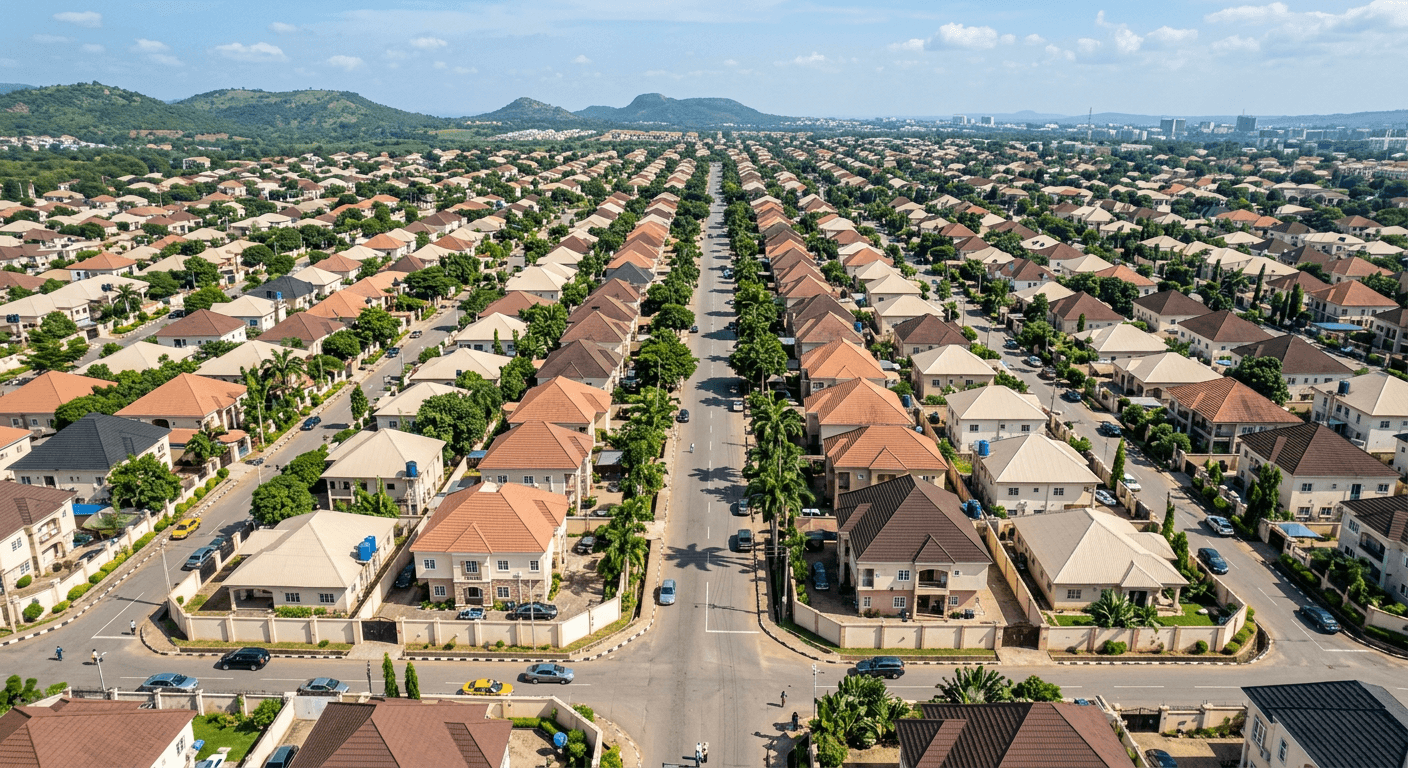
Gwarinpa mornings have a rhythm that most of Abuja's other neighborhoods don't. The estate is large enough that different phases feel like different communities. Phase 1 and 2 are older, more established, quieter. Phase 4 and 5 are newer, more commercial, more active.
By 6:30am, the streets have school runs underway. Gwarinpa has more private primary and secondary schools per square kilometer than almost anywhere else in Abuja — Finbarr's, Christi-Anna, several smaller but well-regarded nurseries and primaries. Parents with children in school don't need to leave the estate for the school run, which is a genuine quality-of-life advantage.
Traffic within the estate is manageable in the mornings. The challenge is getting out. The Gwarinpa–Wuse road and the NICON junction become congested by 7:30am and stay that way until around 9am. If you work in central Abuja and need to be at your desk by 8am, you will either leave by 6:45 or accept that you're arriving late.
The day-to-day errands
Gwarinpa is genuinely self-contained for daily needs. The Shoprite Gwarinpa anchor shopping center handles most grocery requirements. There are multiple smaller supermarkets throughout the phases for top-ups. A large open market operates in the estate for fresh produce, and the market prices are significantly lower than Wuse or Maitama equivalents.
Pharmacies, clinics, and small hospitals are distributed across the phases — you are never more than a short drive from basic healthcare. The Gwarinpa General Hospital handles more serious needs, though for specialist care, most residents travel to Maitama or Wuse 2.
Banking and ATM access is well-covered throughout the commercial strips on the main roads. Fuel stations exist within the estate, though queues during national fuel shortage periods affect Gwarinpa as they affect everywhere.
The evenings and weekends
This is where Gwarinpa's honest limitation shows itself most clearly. It is a residential estate, not an entertainment district. The restaurant scene within the estate is functional rather than exciting — you will find good local food, suya spots, and small eateries, but the kind of dining and social experience available in Jabi or Wuse 2 requires a drive.
For residents who work long hours and spend evenings at home with family, this doesn't matter. For young professionals who want a lively social environment after work, Gwarinpa requires a 15–20 minute drive to get there.
Jabi Lake Mall is the most popular weekend destination for Gwarinpa residents — a 15-minute drive on a normal day. It covers cinema, restaurants, retail, and the lakeside walk in one trip. Most Gwarinpa families treat it as their weekend anchor.
The security
Gwarinpa has one of the better community security structures in Abuja's residential areas. The estate's Community Development Associations (CDAs) are active — they coordinate neighborhood security patrols, maintain road lighting in many areas, and manage communal spaces. This is not a substitute for individual compound security, but the estate-level organization is genuinely functional.
The estate has experienced the same gradual increase in petty crime as the rest of Abuja over the last five years, but serious security incidents remain relatively rare. Most long-term residents describe the security environment as comfortable compared to other Abuja areas at similar price points.
The power situation
Gwarinpa's electricity supply comes from the Abuja Electricity Distribution Company (AEDC) and varies significantly by phase and by street. Some streets within Phase 4 have relatively consistent supply — residents report 12–16 hours of grid power on good days. Other streets, particularly in older phases, get significantly less.
Most properties in Gwarinpa have generator backup — typically 5KVA to 7.5KVA for a standard flat. When viewing a property, always confirm: what size is the compound generator, does it power the entire flat or only some circuits, and what is the fuel cost arrangement?
Borehole water access is near-universal in Gwarinpa's residential properties, which removes the water supply anxiety common in other Abuja areas.
Who Gwarinpa is genuinely right for
Gwarinpa works best for people who prioritize space, community, and value over proximity to the city center or nightlife access. It is Abuja's most family-optimized neighborhood — the school options, the compound sizes, the community atmosphere, and the price point all align for households with children.
It works less well for people who commute daily to central Abuja and value every minute of travel time, or for young professionals whose social life is centered on Jabi and Wuse 2.
If your honest answer to "do I want space, good neighbors, and fair value?" is yes — Gwarinpa is hard to beat in Abuja's current market.
Browse verified Gwarinpa listings at propabridge.com — zero inspection fees, every property physically checked.
Other Blogs